
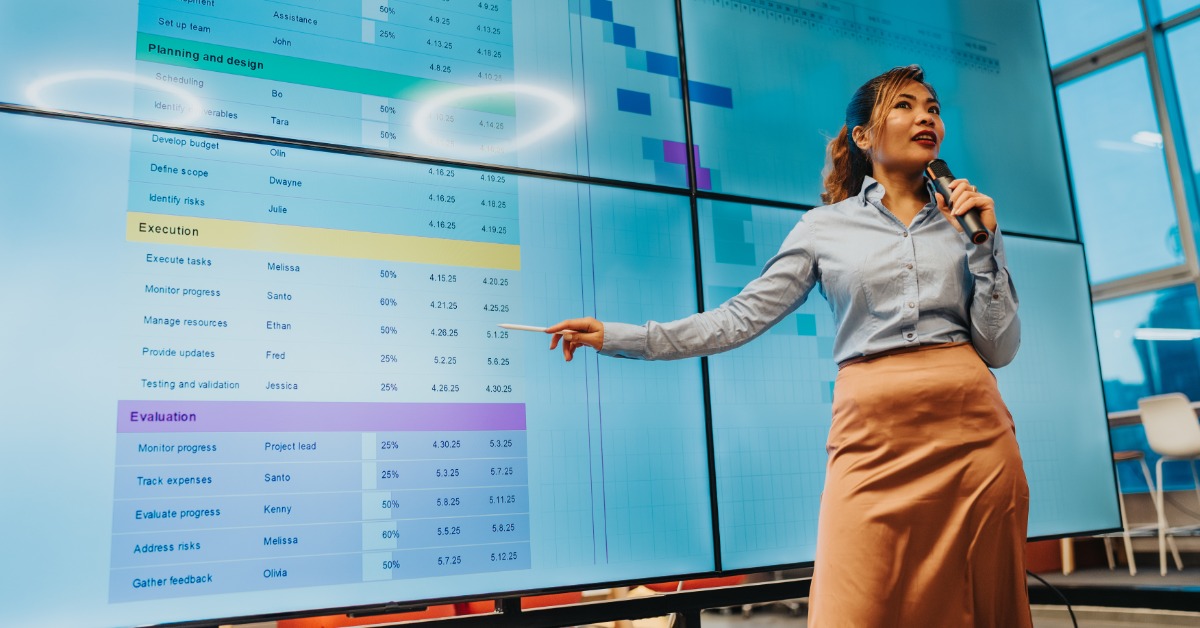
Lighting has a significant influence on how audiences experience LED screens, whether they’re watching a concert performance, enjoying a wedding reception, or attending a corporate presentation. Audiences need to be able to see every on-screen detail with the utmost clarity. From direct sunlight to colorful stage spotlights, a good understanding of how lighting affects LED screen visibility makes it easy for event planners to create a foolproof setup.
Nothing beats a beautiful, sunny day for an outdoor event. But all that sunshine presents a challenge for LED displays. When direct sunlight strikes the screen, the intense surrounding light diminishes the perceived contrast between bright and dark portions of the image. Vibrant graphics suddenly appear faded, especially when the display lacks sufficient brightness to compete with the sun.
Fortunately, outdoor LED screens feature brightness capabilities designed to handle demanding daylight conditions. Manufacturers measure screen brightness in nits, with high ratings indicating greater light output. Increasing the brightness is just the beginning of combating the sunlight.
Another strategy that will help you out is to find the perfect spot for the screen. Examine where sunlight will hit the screen during the event. Choosing a position that limits direct exposure helps preserve image contrast without relying entirely on brightness adjustments.
For daytime concerts, festivals, or community celebrations, outdoor LED walls and mobile LED trailers offer display options suited to bright environments. Consider the audience’s viewing direction alongside the screen’s position to achieve an enjoyable experience.
Outdoor lighting rarely remains consistent throughout an event, especially when festivities stretch from afternoon into evening. Picture an LED screen looking fantastic during a morning sound check, only to have the sun shine directly onto its surface when the main performance begins. As the sun travels across the sky, previously shaded areas receive direct light, potentially reducing contrast and affecting how the audience sees the display.
Evening brings its own considerations as daylight gradually fades. Brightness settings that worked beautifully under intense afternoon sunshine could feel excessive once the surroundings grow dark. Without adjustments, the screen might overpower nearby stage lighting or distract guests from the event itself.
Check the sun’s expected position throughout the event schedule, particularly during presentations or performances that rely heavily on LED visuals. Visiting the venue around the scheduled event time offers valuable insight into changing shadows and direct exposure.
For celebrations that continue after sunset, coordinate brightness adjustments with the AV technician. Gradually reducing the screen’s intensity as daylight fades helps maintain attractive visuals and a pleasant viewing experience.
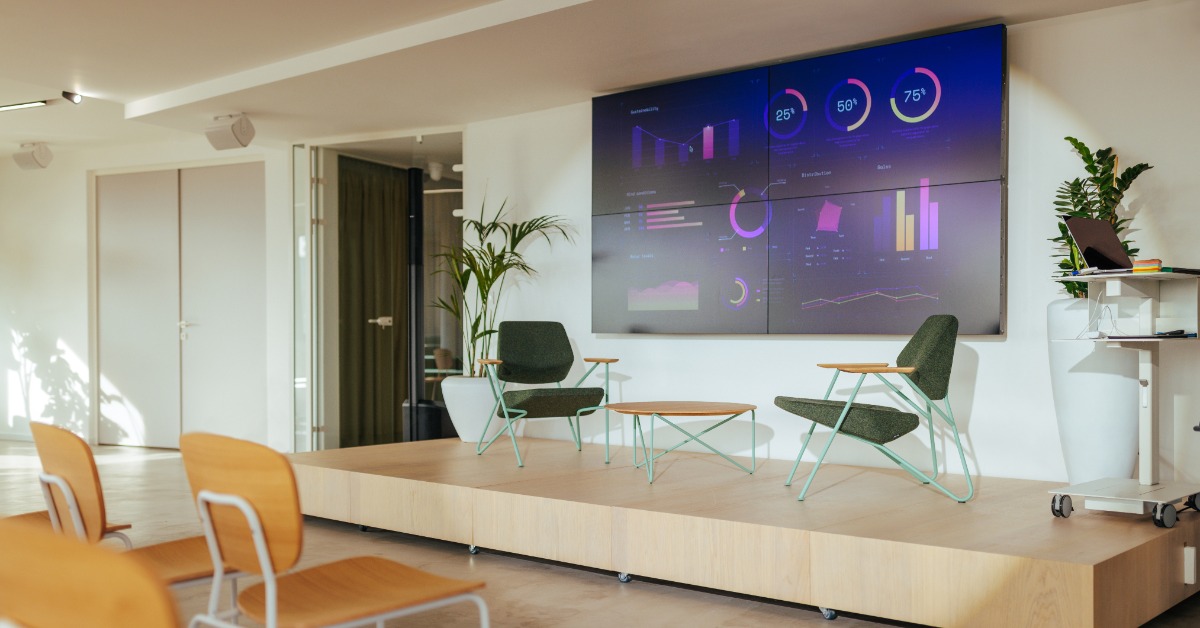
Imagine presenting detailed sales charts during an afternoon conference, only for sunlight streaming through nearby windows to leave attendees squinting at the numbers for the next hour. Despite the beauty of the natural light beaming through floor-to-ceiling windows, the light competes with LED displays. It draws attention away from presentations and reduces the perceived contrast of displayed content.
Direct sunlight hitting the display surface introduces additional visibility challenges. The room might look perfectly suited for an LED presentation during an early walkthrough, then experience intense window exposure several hours into the event. Window orientation, weather conditions, and the event schedule all influence how much natural light enters the space.
Walk through the venue during the hours when guests will view the display, paying attention to where sunlight enters the room. Whenever possible, choose a screen location away from windows that receive intense direct sunlight.
Existing blinds or curtains offer convenient options for controlling incoming daylight. For presentations featuring detailed graphics, fine-pitch LED displays deliver sharp images at relatively close viewing distances. Pairing suitable screen resolution with controlled window exposure helps guests appreciate those details.
Guests navigate conference rooms and event spaces easily with the assistance of ceiling light fixtures. It’s natural that the presence of those fixtures will interfere with a display. When overhead lighting strikes the display surface at certain angles, unwanted reflections compete with the images on screen. Some attendees might enjoy an excellent view, whereas others encounter distracting bright spots that interfere with text or graphics.
Consider a corporate presentation in a ballroom filled with recessed ceiling lights. If several fixtures shine toward the LED wall, guests seated at particular angles could experience glare across the presentation slides. Even vibrant colors and high-quality visuals lose some of their impact when reflections distract the audience.
During setup, examine the screen from multiple audience positions with the venue’s lights operating at their planned intensity. Walking through the seating area helps reveal distracting reflections that aren’t immediately noticeable from the technician’s position.
If the venue offers adjustable lighting, dim nearby fixtures or redirect their beams away from the display. The goal isn’t to leave everyone sitting in darkness. Maintain enough room illumination for guests to move around and interact without sacrificing screen visibility.
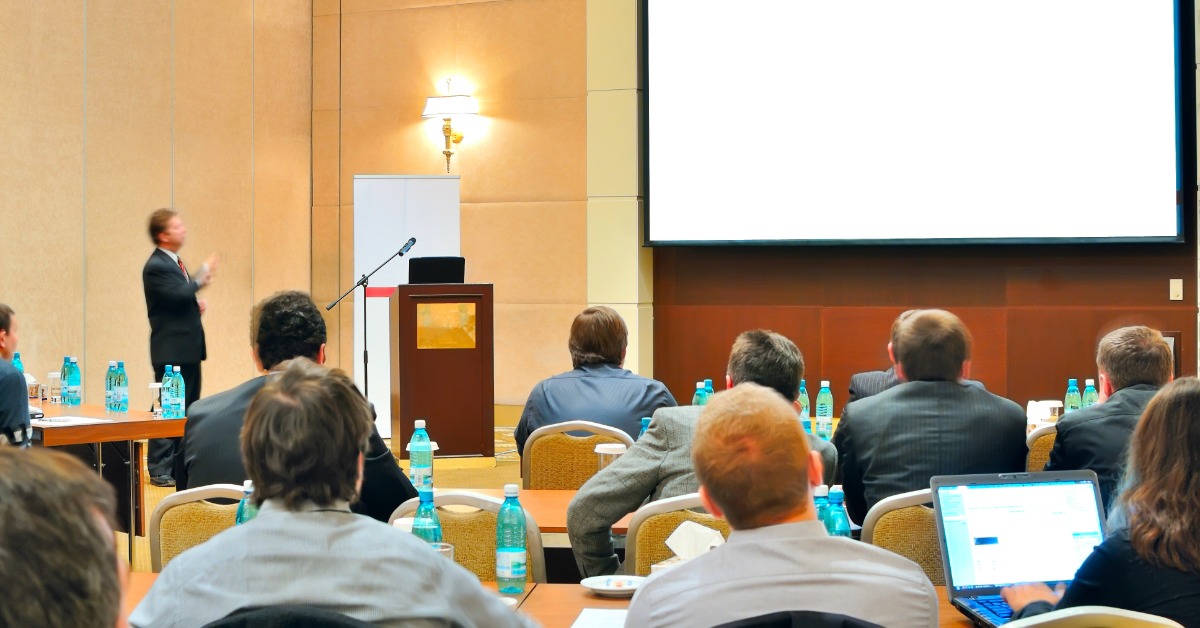
Colorful stage lights bring energy and excitement to concerts, award ceremonies, and corporate events. However, spotlights aimed directly at an LED wall may interfere with the very visuals that help bring the performance to life. Intense beams striking the display reduce perceived contrast and sometimes produce distracting reflections, leaving graphics looking washed out during key moments.
Moving lights introduce another challenge because their beams sweep across the stage throughout a performance. Imagine a colorful lighting sequence accompanying a musical performance, with several fixtures repeatedly shining onto the LED backdrop. The lighting effects might look fantastic on their own, but the combination could distract viewers from the video content.
Plan spotlight placement around the display’s location, directing beams toward performers or designated stage areas. Thoughtful fixture positioning lets the lighting design deliver its intended excitement without unnecessarily interfering with the LED visuals.
During rehearsals, run lighting sequences alongside the actual content that will appear on screen. Test presentation slides, video footage, or animated graphics under the planned lighting conditions. Technicians can then refine beam angles and intensity to achieve a cohesive visual presentation.
Great event visuals depend on much more than choosing an impressive display. Understanding LED screen visibility under various lighting conditions helps event planners coordinate equipment placement that leads to an enjoyable audience experience.
Planning an event in Massachusetts or Rhode Island? Mass AV Rentals offers LED screen rental options for indoor and outdoor gatherings, including modular LED walls and outdoor displays. Contact our team to discuss your venue’s lighting conditions and explore an appropriate display setup for your event.